Hangzhou Zenius New Energy Co., Ltd.
-
+86 158-8822-2598









Commercial Water Boilers: How to Size and Specify Them
What a commercial water boiler has to deliver
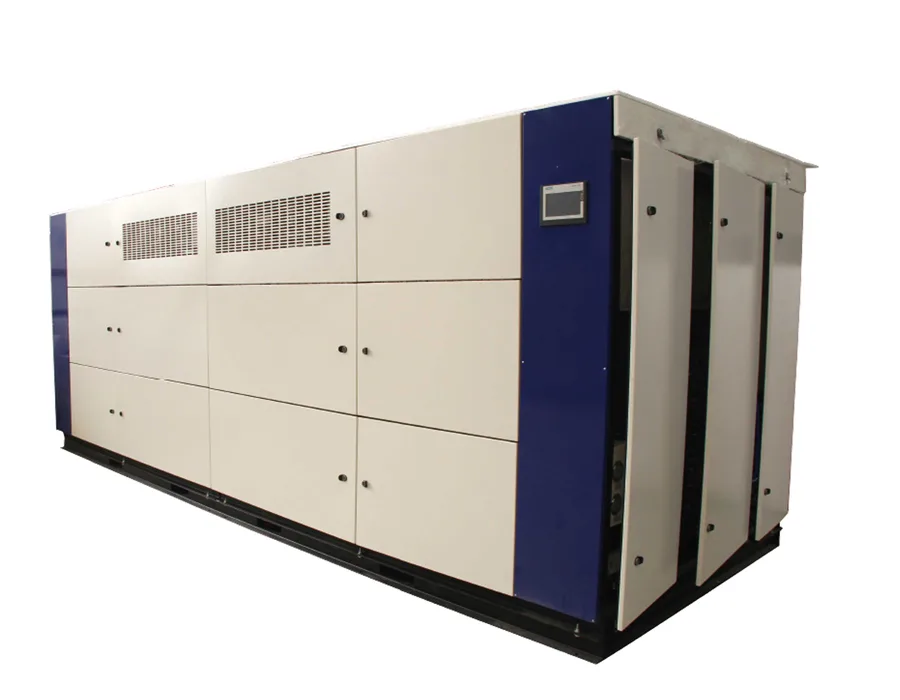
A commercial water boiler is a fixed-installation appliance that brings water to a serving temperature and holds it there through the busiest part of the day, replacing kettles and urns wherever hot water is needed on demand across a shift. The specification turns on three numbers: peak-hour draw-off, reheat speed, and whether the site can supply the power, pressure, and drainage the unit needs. Typical buyers are office pantries, staff rooms, hospital wards, and factory canteens, and the specifications that satisfy them are not interchangeable.
Most disappointing installations come from a unit chosen on tank capacity alone and then fitted without a discharge point. A boiler is a heated vessel with an overflow and a steam path; if those outlets have nowhere to go, water ends up in a cabinet or on a floor. The sections below give you a sizing method, an installation checklist, and the OEM questions to settle before ordering.
- How the three boiler formats differ and where each one fits
- A six-step sizing method based on peak-hour draw-off, not headcount
- Plumbing, drainage, water quality, and OEM items to confirm first
The three boiler formats and what each one costs you
Wall-mounted storage boiler. A lagged tank with electronic level and temperature control, plumbed to the mains, absorbing peak demand so canteens can draw continuously. The cost is wall structure: 25 L plus water needs blocking or reinforced studwork. The KW Series wall-mounted boiler spans 2.5–25 L with 1800–3000 W elements, 18–30 L/H continuous output, and 0.02–1 MPa inlet.
Under-sink boiler with heat recovery. The tank sits in the cabinet, with a faucet at the sink. The Aquaura under-sink smart water boiler pairs an 8.5 L SUS304 tank with an INCOLOY 800 element, delivers 28 L/H hot and 40 L/H warm, with warm water from 45–90 °C and a 7.5 L single draw. Heat recovery cuts consumption by around 70 percent; the trade-off is 460×310×382 mm of cabinet space.
Countertop instant boiler. No tank; a thick-film element heats on demand, with water and electricity separated. The C22 instant boiler reaches boiling in about five seconds at 95–98 °C, with a warm setting at 50–55 °C and 35 L/H from a 2200 W element on 220–240 V, 50–60 Hz, using roughly 30 percent less energy than coil heating. The trade-off is the missing buffer: a queue sees the temperature drift.
| Model | Typical site | Key ratings | What you give up |
|---|---|---|---|
| KW Series | Canteens, staff kitchens (2.5–25 L) | 1800–3000 W; 18–30 L/H; 0.02–1 MPa | Wall load; overflow needs piping |
| Aquaura under-sink | Office pantries (8.5 L) | 2500 W; 28 L/H hot, 40 L/H warm; 45–90 °C | 460×310×382 mm of cabinet space |
| C22 instant | Small offices, hotel floors | 2200 W; 35 L/H; 95–98 °C and 50–55 °C | No buffer against back-to-back draws |
Read the table from the right inward: size against continuous output, not tank volume, since a slowly recovering 25 L tank still runs dry at a shift change.
Six steps to sizing a commercial water boiler
- Step 1 — Count draw-off events, not people. Thirty staff do not draw thirty cups at once; they cluster mid-morning and after lunch. Record the liters leaving the tap in the busiest hour: at 0.25 L a serving, forty is 10 L.
- Step 2 — Compare that with continuous output. Size to the hourly rate and treat the tank as a buffer: the wall-mounted range runs 18–30 L/H and the countertop unit 35 L/H, so a 12 L peak hour works with either.
- Step 3 — Check the tank against your longest burst. Capacity matters only for a draw exceeding the element hourly rate. The under-sink unit allows a 7.5 L single draw from an 8.5 L tank, suiting a pantry filling pots in a row.
- Step 4 — Fix the temperature you need. Tea and instant coffee want 95–98 °C, which both the countertop unit and a storage boiler hold. Drinking water is better at 45–90 °C or 50–55 °C; full-temperature water is a scald exposure.
- Step 5 — Confirm pressure and supply. Storage models specify an inlet band of 0.02–1 MPa; below it the tank will not refill between draws, and above it a reducing valve is needed. Instant models need mains water above 5 °C.
- Step 6 — Decide whether you need a second unit. One boiler feeding two floors through a long run wastes water and heat. Beyond a few meters, price a second unit.
Installation, hygiene, and maintenance
Four services close out the installation: cold feed, drainage, power, and clearance for heat. Power is a dedicated circuit sized to the element: 1800–3000 W, 2500 W, or 2200 W.
The overflow and steam outlets on a storage boiler must be piped to a safe discharge point, not left open above a floor. The tank expands and vents during every heat cycle; if that discharge lands where a hand or a foot can reach, the result is a scald hazard in a room where people carry cups. Run the line to a tundish or a gully with an air break.
Scale insulates, lengthening recovery and shortening service life where hardness is high. An INCOLOY 800 sheathed element, as used in the under-sink unit, resists chloride attack and high-temperature oxidation better than a standard sheathed element. The SUS304 tank resists corrosion at the weld seams.
A sediment and carbon pre-filter protects the element and solenoid from grit and chlorine taste, and a scale-reduction cartridge slows deposits on hard water. Where total dissolved solids and turbidity are high, reverse osmosis removes them but produces a concentrate stream that needs a drain.
Replace cartridges on water quality and metered volume rather than a fixed calendar interval. Wipe the spout, drip tray, and control panel on schedule; the countertop tray removes for cleaning and the under-sink faucet carries a built-in anti-scald guard. Lock the hot water control in public circulation areas and drain the tank before seasonal shutdown. Configurations are documented in our project case studies.
What to confirm before an OEM or ODM order
- Voltage and plug by destination. Built for 220 V 50 Hz or 110–120 V 60 Hz, with the element rating recalculated for the lower voltage.
- Fascia, finish, and color. Brushed stainless or ABS panels, and the faucet style matched to the sink. Approve the finish against a sample.
- Structure and nameplate. Tank capacity, element rating, control logic, faucet configuration, rating plate, and panel language to the buyer’s specification.
- Packing and container loading. Confirm packing and units per container before pricing freight, since cabinet dimensions drive landed cost.
- Documentation and spares. Manual, wiring diagram, and spare parts list with the first shipment; they decide whether a local technician can service the unit later.
Commercial water boilers — frequently asked questions
What size commercial water boiler do I need for a 30-person office?
Size to the busiest hour, not the headcount. A 30-person office draws in two clusters, mid-morning and after lunch. Work out the liters leaving the tap in that peak hour: most land between 10 and 15 L, which the 18–30 L/H wall-mounted range covers.
Should I choose a wall-mounted boiler or an under-sink model?
Choose on structure and space. A wall-mounted unit needs blocking or reinforced studwork to carry up to 25 L, plus an overflow and steam line piped to a safe discharge point. An under-sink unit keeps the wall clear but occupies 460×310×382 mm of cabinet space.
Why must the overflow and steam outlet be piped to a drain?
A storage boiler expands and vents during every heat cycle. Left open above a floor, that discharge lands where a hand or a foot can reach, and it is near boiling temperature. Piping the overflow to a tundish or gully with an air break removes the risk.
Is an instant boiler enough, or do I need a storage tank?
An instant unit suits steady demand: the C22 delivers 35 L/H at 95–98 °C and draws power only while water runs. A storage unit suits burst demand, since the tank absorbs a draw larger than the element hourly rate, so it holds temperature where a tankless unit drifts.
Do I need water treatment before the boiler?
It depends on the local supply. Sediment and carbon pre-filtration protects the element and solenoid from grit and chlorine taste. Where hardness is high, a scale-reduction stage slows deposits; where total dissolved solids and turbidity are high, reverse osmosis removes dissolved solids but produces a concentrate stream that needs draining.
What power and water supply does a commercial water boiler need?
Plan a dedicated circuit sized to the element: 1800–3000 W wall-mounted, 2500 W at 220 V 50 Hz under-sink, and 2200 W on 220–240 V, 50–60 Hz countertop. Confirm the inlet pressure against the 0.02–1 MPa band on storage models before ordering.