Hangzhou Zenius New Energy Co., Ltd.
-
+86 158-8822-2598


AWG vs Bottled Water: Which Is More Cost-Effective and Eco-Friendly?
Bottled water has long been considered a safe source of drinking water, but it carries hidden high costs and serious environmental problems. Air water generators offer a more economical and sustainable alternative.
For the full 2026 per-litre breakdown: This post compares AWG and bottled water at the headline level. For a deeper dive including cost-per-litre calculations across all Zenius models, climate zones, and global electricity rates — plus a 5-year ROI calculator — see atmospheric water generator cost per litre.
Cost Comparison
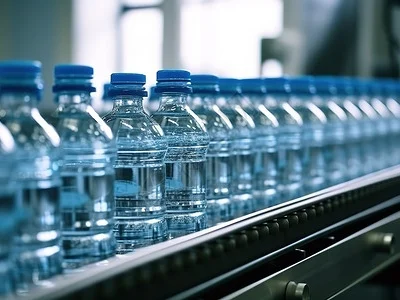
- Bottled water: Taking a 500ml bottle as an example, retail price is about $0.15–0.30 USD, equating to $0.30–0.60 per liter. A household consuming 1000 liters of bottled water per year spends $300–600.
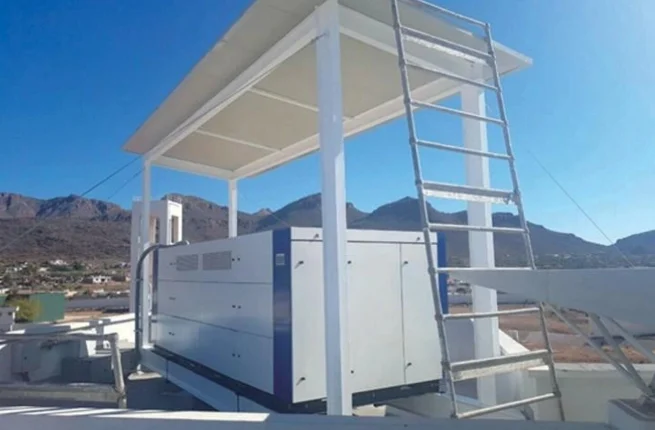
- Air water generator: Our devices produce water at a cost of only $0.02–0.04 per liter (including electricity and filter replacement). For example, the A40 model produces 40L/day, 14,600L/year, with an annual operating cost of about $300–400. The upfront equipment cost is around $700–1100, typically recouped within 1–2 years. Afterwards, hundreds of dollars are saved each year.
Environmental Comparison
- Plastic pollution: One million plastic bottles are sold every minute worldwide; most are not recycled and end up in oceans or landfills. A household consuming 1000L of bottled water per year generates about 2000 plastic bottles (500ml each).
- Transport carbon footprint: Bottled water travels from factory to point of sale, emitting 0.5–1 kg CO₂ per liter on average. An AWG is transported once and then produces water on-site, resulting in nearly zero carbon emissions for water delivery.
- Water waste: Producing 1 liter of bottled water requires an average of 3 liters of tap water (for cleaning, filtration losses). AWG consumes no surface or groundwater.

Additional Advantages
- AWG provides fresh, live water, not water stored for months in plastic.
- Temperature customization (cold, hot, room temperature) is available.
- Built-in water quality monitoring ensures safety and transparency.
For individuals, businesses, or government agencies that value long-term cost savings and environmental responsibility, AWG is clearly the better choice.
See also: related Zenius resources
- 5-step AWG sizing guide
- AWG for schools guide
- AWG vs rainwater comparison
- AWG primer
- Household AWG product line
- Commercial AWG product line
- UAE deployment guide
- Saudi Arabia deployment guide
- Hotels & Resorts industry guide
- Schools & Universities industry guide
- Contact Zenius team
Expanded Analysis
This expanded analysis covers deployment considerations, comparisons, and decision frameworks for this technology in greater detail.
Why Consider Switching from Bottled Water to AWG in 2026
Bottled water delivery is the default water source for many commercial facilities and households, but it carries significant operational and sustainability costs. In 2026, single-use plastic bottles are being banned in increasing numbers of jurisdictions, and bottled water prices have risen 15-25% since 2020 due to supply chain pressure and growing awareness of plastic waste impact. AWGs offer a path to eliminate both plastic waste and the recurring cost of water delivery, with payback periods typically under 24 months for commercial deployments.
Water Quality Comparison: AWG vs Bottled vs Tap
AWG water after multi-stage filtration meets WHO and EPA drinking water standards, with TDS typically below 50 mg/L and 0 coliform bacteria. Bottled water quality varies widely by brand and source, with some bottled water essentially being filtered municipal water. Municipal tap water quality is monitored by local utilities but can contain chlorine, lead from old pipes, or microplastics. For users prioritizing water quality, AWGs offer the most consistent and verifiable water quality profile.
Cost Analysis: Bottled Water vs AWG Over 10 Years
For a 100-room hotel consuming 1,000 L/day of bottled water, the 10-year cost of bottled delivery is approximately $300,000-400,000. The 10-year cost of an AWG system with installation, electricity, filter changes, and compressor service is approximately $40,000-60,000. The 10-year savings of approximately $260,000-340,000 pay for the AWG system in the first 12-24 months and then deliver ongoing cost reduction. The payback improves further at higher volumes and longer time horizons.
Environmental Impact: Bottled Water vs AWG
A typical bottled water facility produces 50,000-1,000,000 plastic bottles per year for a 100-room hotel, representing 1.5-30 tons of PET plastic waste. Each plastic bottle takes 450-1000 years to break down in landfill. AWG operations produce zero plastic waste and have a carbon footprint of 0.5-1.5 kg CO2e per litre, compared to 2-5 kg CO2e per litre for bottled water including production, transport, and packaging. For hotels, schools, and other facilities with sustainability commitments, AWGs are the most impactful single deployment for reducing plastic waste.
Operational Reliability and Logistics
Bottled water delivery depends on logistics: trucks, drivers, storage space, and inventory management. Delivery disruptions occur due to weather, traffic, supplier issues, and global supply chain problems. AWGs operate continuously with internal storage buffer (50-200 L) and run on standard electrical power, with backup generator or solar optional for outage-prone sites. For mission-critical deployments, AWGs provide greater water security than bottled delivery.
When Bottled Water Still Makes Sense
In specific cases, bottled water remains the practical choice: emergency deployment for short-duration events (festivals, conferences), remote sites with no electrical infrastructure, and travel/hospitality where portability is required. For permanent facilities with reliable electricity, AWGs offer superior economics, sustainability, and water security.
Frequently Asked Questions
How much does an AWG cost compared to bottled water?
AWG installation costs $15,000-50,000 for typical commercial deployments. Annual operating costs are $2,000-10,000 depending on size and climate. Bottled water delivery typically costs $30,000-100,000 per year for similar consumption. AWG payback period is 12-24 months.
Is AWG water as safe as bottled water?
Yes. AWG water meets WHO and EPA drinking water standards after multi-stage filtration (sediment + carbon + UV or reverse osmosis). Bottled water quality varies by source and brand. AWG water has more consistent quality and is typically lower in TDS and contaminants than most bottled water.
How much plastic does AWG eliminate vs bottled water?
A 100-room hotel eliminates 80,000-150,000 plastic bottles per year with AWG deployment. A 500-room resort eliminates 400,000+ bottles annually. This represents 1.5-30 tons of PET plastic waste avoided per facility per year.
Can AWG handle peak demand like conferences?
Yes. AWGs run 24/7 with internal buffer tanks (50-200 L) absorbing short surges. For major conferences or holiday peaks, multiple parallel units plus a 1000 L external buffer tank handle 2-3x normal demand. Buffer tank sizing is a key consideration in deployment.
How long does an AWG installation take?
Typical installation takes 1-2 weeks for a K-8 school or small commercial deployment, and 3-6 weeks for a university or large hotel. Site survey 1 week, equipment delivery 1 week, installation 3-5 days, commissioning and staff training 2 days. Disruption to existing operations is minimal.